

Introduction
Technology is evolving at a rapid pace, and one of the most transformative trends shaping the digital world is AI-powered edge computing. Instead of sending all data to centralized cloud servers, edge computing processes data closer to where it is generated—on local devices, sensors, and smart machines. This approach significantly improves speed, reduces latency, and enhances real-time decision-making, making it a cornerstone of modern technological innovation.
What Is Edge Computing?
Edge computing is a distributed computing model where data is processed near the source rather than relying entirely on distant data centers. When artificial intelligence is integrated into this model, devices can analyze and act on data instantly without waiting for cloud responses. This combination allows systems to operate faster, smarter, and more efficiently.
For example, a smart security camera using edge AI can detect suspicious activity instantly and send alerts without needing constant internet connectivity. This reduces bandwidth usage and improves privacy by limiting data transfer to external servers.
Key Benefits of AI-Powered Edge Computing
Faster Real-Time Processing
One of the biggest advantages is ultra-low latency. Applications such as autonomous vehicles, healthcare monitoring systems, and industrial automation require immediate responses. Edge AI ensures that critical decisions are made in milliseconds, which can prevent accidents, improve patient care, and optimize manufacturing processes.
Improved Data Privacy and Security
Processing data locally minimizes the need to send sensitive information to the cloud. This reduces exposure to cyber threats and ensures better compliance with privacy regulations. Businesses and users both benefit from stronger data protection mechanisms.
Reduced Bandwidth and Cost Efficiency
Cloud storage and data transfer can be expensive and resource-intensive. By handling much of the processing locally, organizations can significantly cut down on bandwidth costs and improve overall system efficiency.
Real-World Applications
Smart Cities
AI-powered edge computing is transforming urban environments. Traffic signals, surveillance systems, and public transport networks can analyze data in real time to improve traffic flow, reduce congestion, and enhance safety.
Healthcare Innovations
Wearable health devices now use edge AI to monitor vital signs continuously. These devices can detect anomalies instantly and alert medical professionals before a situation becomes critical, potentially saving lives.
Industrial Automation
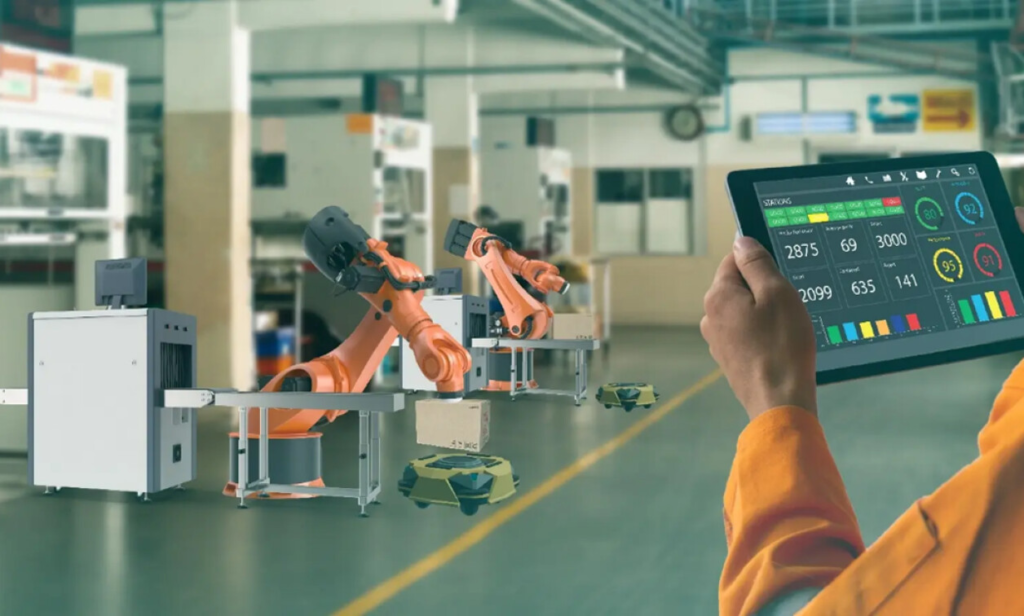
Factories are becoming smarter with predictive maintenance systems powered by edge AI. Machines can analyze their own performance and detect faults early, reducing downtime and improving productivity.
Autonomous Vehicles
Self-driving cars rely heavily on real-time data processing. Edge computing allows these vehicles to analyze road conditions, detect obstacles, and make navigation decisions instantly without depending solely on remote servers.
Challenges and Future Outlook
Despite its advantages, edge computing still faces challenges such as hardware limitations, energy consumption, and the need for advanced AI models that can run efficiently on smaller devices. However, rapid improvements in chip design, machine learning optimization, and network infrastructure are addressing these issues.
Looking ahead, the integration of edge computing with next-generation networks will unlock new possibilities. Technologies like augmented reality, smart robotics, and advanced IoT ecosystems will become more responsive and intelligent than ever before.
Conclusion
AI-powered edge computing is redefining how data is processed and utilized in the modern digital era. By bringing intelligence closer to the source, this technology delivers faster responses, stronger security, and improved efficiency across multiple industries. As innovation continues, edge computing will play a crucial role in shaping the future of smart devices, connected systems, and real-time digital experiences.