

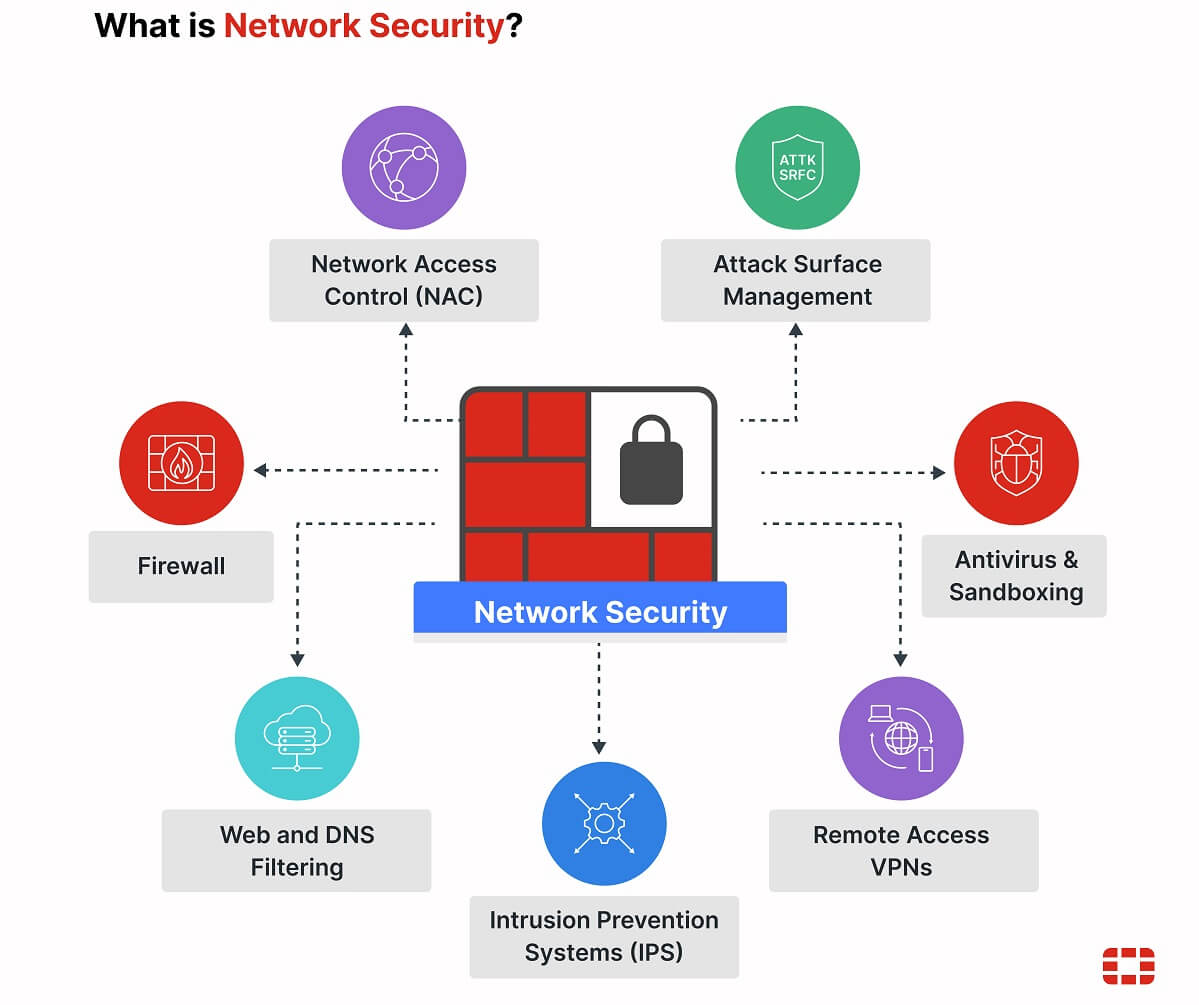
In an era where almost every device is connected to the internet, Digital Network Security has become a critical priority for businesses, organizations, and individual users. From cloud platforms to mobile devices, networks now carry sensitive data that must be protected from constant and evolving cyber threats. A strong security approach is no longer optional; it is essential for stability, trust, and long-term growth.
What Is Digital Network Security?
Digital Network Security refers to the strategies, tools, and processes used to protect digital networks from unauthorized access, misuse, data breaches, and cyberattacks. It covers both hardware and software measures designed to secure data while it is stored, processed, or transmitted across networks. Effective Digital Network Security ensures confidentiality, integrity, and availability of information, which are the core principles of modern cybersecurity.
Why Digital Network Security Matters More Than Ever
As businesses rely heavily on digital infrastructure, cybercriminals are finding new ways to exploit weaknesses. A single vulnerability can lead to financial loss, reputational damage, or operational shutdowns. Digital Network Security helps reduce these risks by identifying threats early and blocking malicious activity before it causes harm. For organizations handling customer data, security is also directly tied to trust and long-term credibility.
Key Components of Digital Network Security
Network Access Control
Controlling who can access a network is a foundational element of Digital Network Security. Access control systems ensure that only authorized users and devices can connect. This approach minimizes insider threats and prevents unknown devices from entering the network environment.
Firewalls and Traffic Monitoring
Firewalls act as the first line of defense by filtering incoming and outgoing traffic. Along with continuous monitoring, they help detect unusual patterns and suspicious behavior. Digital Network Security relies on this visibility to respond quickly and reduce potential damage.
Encryption and Data Protection
Encryption is a core requirement of Digital Network Security. It protects data by converting it into unreadable formats for unauthorized users. Whether data is stored or transmitted, encryption ensures that intercepted information cannot be misused.
Common Threats Addressed by Digital Network Security
Modern networks face constant threats such as malware, phishing attacks, ransomware, and unauthorized access attempts. Digital Network Security focuses on layered protection to reduce exposure to these risks. Regular updates and proactive monitoring help maintain a strong defense against both known and emerging threats.
Best Practices for Strengthening Digital Network Security
A reliable security strategy includes regular system updates, strong authentication methods, and user awareness training. Network segmentation is another effective method, limiting access between systems and reducing the spread of potential threats. These practices collectively improve Digital Network Security without disrupting daily operations.
Digital Network Security for Businesses and Individuals
Large organizations often deploy advanced security tools, but individuals also benefit from Digital Network Security practices. Securing home networks, using strong passwords, and avoiding unsafe links can significantly reduce risks. For businesses, a structured security framework supports growth while protecting sensitive digital assets.
The Future of Digital Network Security
As technology advances, Digital Network Security continues to evolve. Automation, intelligent monitoring, and integrated security solutions are shaping the next generation of protection. Organizations that prioritize security today will be better prepared for future challenges and digital expansion.
Conclusion
Digital Network Security plays a vital role in protecting modern networks from growing cyber threats. It ensures data safety, supports stable operations, and builds long-term trust. By adopting best practices and maintaining a proactive approach, both businesses and individuals can secure their digital environments and move forward with confidence.