




Introduction
Technology has always shaped the way people live, work, and communicate. From the invention of the internet to the rise of smartphones and cloud computing, innovation continues to redefine everyday life. Today, conversations about The Future of Modern Technology are more relevant than ever as new advancements emerge at an extraordinary pace. Businesses, governments, and individuals are all trying to understand how these innovations will influence society in the coming decades. The discussion around The Future of Modern Technology is not only about faster devices or smarter software, but also about how technology can improve productivity, sustainability, and human well-being.
The Role of Artificial Intelligence
Artificial intelligence has quickly become one of the most influential drivers shaping The Future of Modern Technology. AI systems are now capable of analyzing massive amounts of data, recognizing patterns, and making intelligent decisions with minimal human intervention. In industries such as healthcare, finance, and logistics, AI is transforming how problems are solved and how services are delivered.
As AI continues to evolve, it will play an even greater role in The Future of Modern Technology by enabling predictive analytics, personalized services, and autonomous systems. For example, smart algorithms can help doctors diagnose diseases earlier, while businesses can use AI insights to optimize operations and improve customer experiences. These developments suggest that AI will remain a central pillar of The Future of Modern Technology for years to come.
Automation and Smart Systems
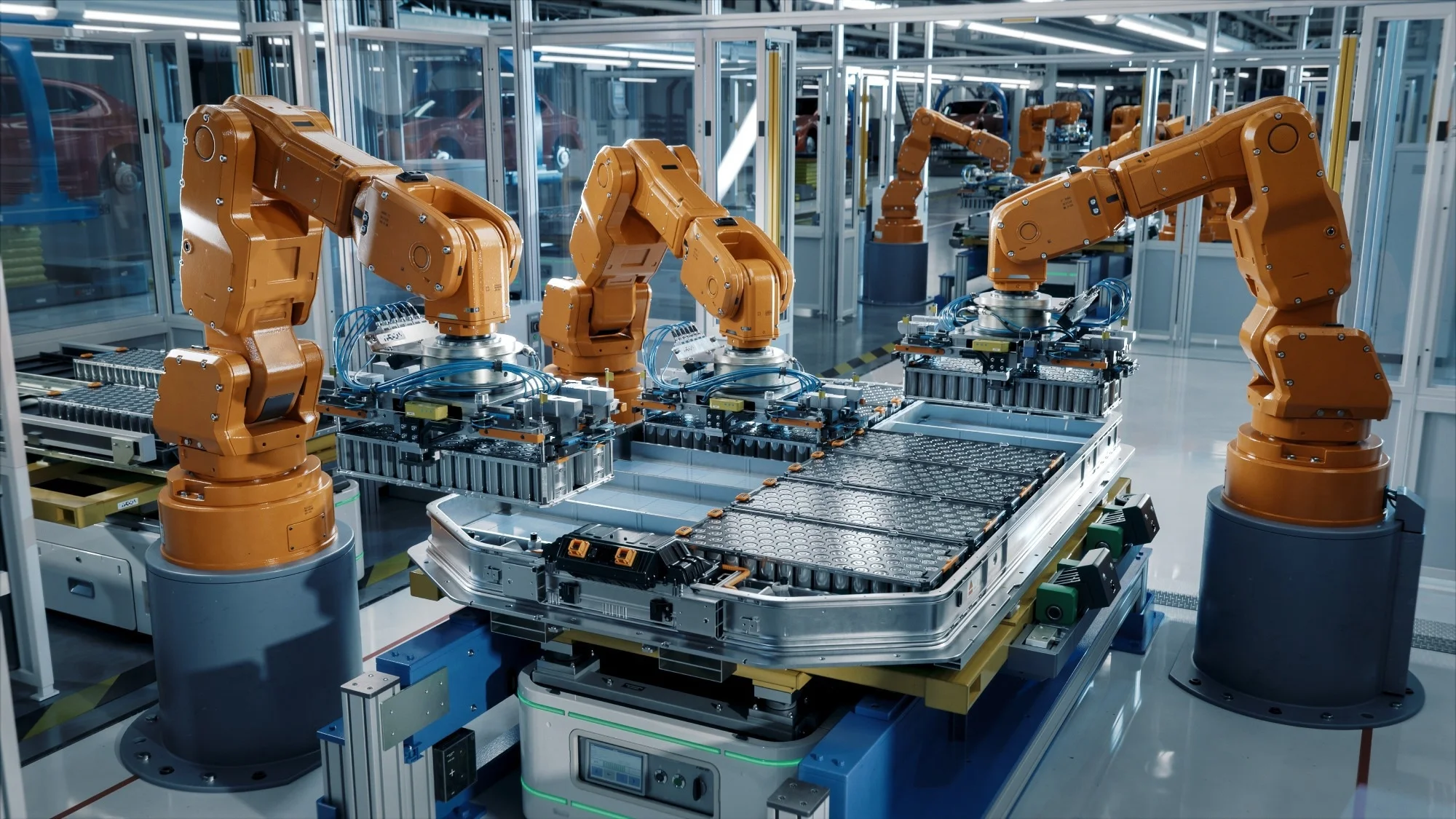
Automation is another powerful force influencing The Future of Modern Technology. Modern organizations are increasingly adopting automated systems to handle repetitive tasks and streamline complex workflows. Manufacturing plants use robotics to maintain precision and efficiency, while digital platforms rely on automation to manage large volumes of transactions.
The integration of intelligent systems will further accelerate The Future of Modern Technology, allowing machines and software platforms to communicate seamlessly. Smart homes, autonomous vehicles, and advanced industrial systems are all examples of how automation is expanding into daily life. As technology becomes more interconnected, the possibilities for innovation will continue to grow.
The Expansion of Digital Connectivity
One of the most defining elements of The Future of Modern Technology is the rapid expansion of global connectivity. High-speed networks, cloud infrastructure, and advanced communication systems allow people and organizations to collaborate across borders instantly. Remote work, digital education, and online commerce have become more accessible because of these advancements.
As connectivity improves, The Future of Modern Technology will likely bring new forms of digital interaction. Virtual environments, immersive communication tools, and intelligent collaboration platforms may reshape how people engage with each other in professional and personal contexts. This interconnected digital landscape will play a major role in shaping the next generation of technological progress.
Sustainable and Green Technology
Environmental concerns are also influencing The Future of Modern Technology. As industries seek to reduce their environmental impact, technological innovation is being directed toward sustainability and energy efficiency. Renewable energy systems, smart energy grids, and eco-friendly manufacturing processes are gaining attention worldwide.
In the coming years, The Future of Modern Technology will likely focus on balancing innovation with environmental responsibility. Technologies designed to conserve resources and reduce emissions will become increasingly valuable. From electric transportation to smart energy management, sustainable solutions are expected to become an essential part of modern technological development.
Human–Technology Collaboration
While machines and algorithms are becoming more powerful, The Future of Modern Technology will not replace human creativity or judgment. Instead, it will encourage stronger collaboration between people and intelligent systems. Technology can enhance human capabilities by providing faster insights, better tools, and improved decision-making support.
For professionals across industries, adapting to The Future of Modern Technology means developing new digital skills and embracing continuous learning. Workers who understand how to use advanced tools effectively will be better prepared to thrive in a technology-driven environment. This collaboration between humans and technology will ultimately define the success of future innovation.
Challenges and Ethical Considerations
Despite its promise, The Future of Modern Technology also raises important questions. Issues related to data privacy, cybersecurity, and ethical use of artificial intelligence require careful attention. Governments and organizations must work together to establish responsible guidelines that protect individuals while still encouraging innovation.
Addressing these challenges will be essential to ensuring that The Future of Modern Technology benefits society as a whole. Transparency, accountability, and thoughtful regulation will help create a balanced environment where technological progress can continue without compromising trust or safety.
Conclusion
The world is entering an era where innovation moves faster than ever before. The Future of Modern Technology will be shaped by artificial intelligence, automation, global connectivity, and sustainable innovation. These developments will influence how businesses operate, how communities interact, and how individuals experience everyday life.