





Introduction
In an era where efficiency, accuracy, and connectivity define competitive advantage, Smart Automation and Intelligent System Integration have emerged as critical drivers of business transformation. These technologies combine automated processes with interconnected digital systems to streamline operations, enhance decision-making, and reduce manual intervention. Organizations across industries are leveraging these solutions to optimize workflows, minimize errors, and adapt rapidly to changing market demands, making intelligent automation a cornerstone of modern enterprise strategy.
Understanding Smart Automation
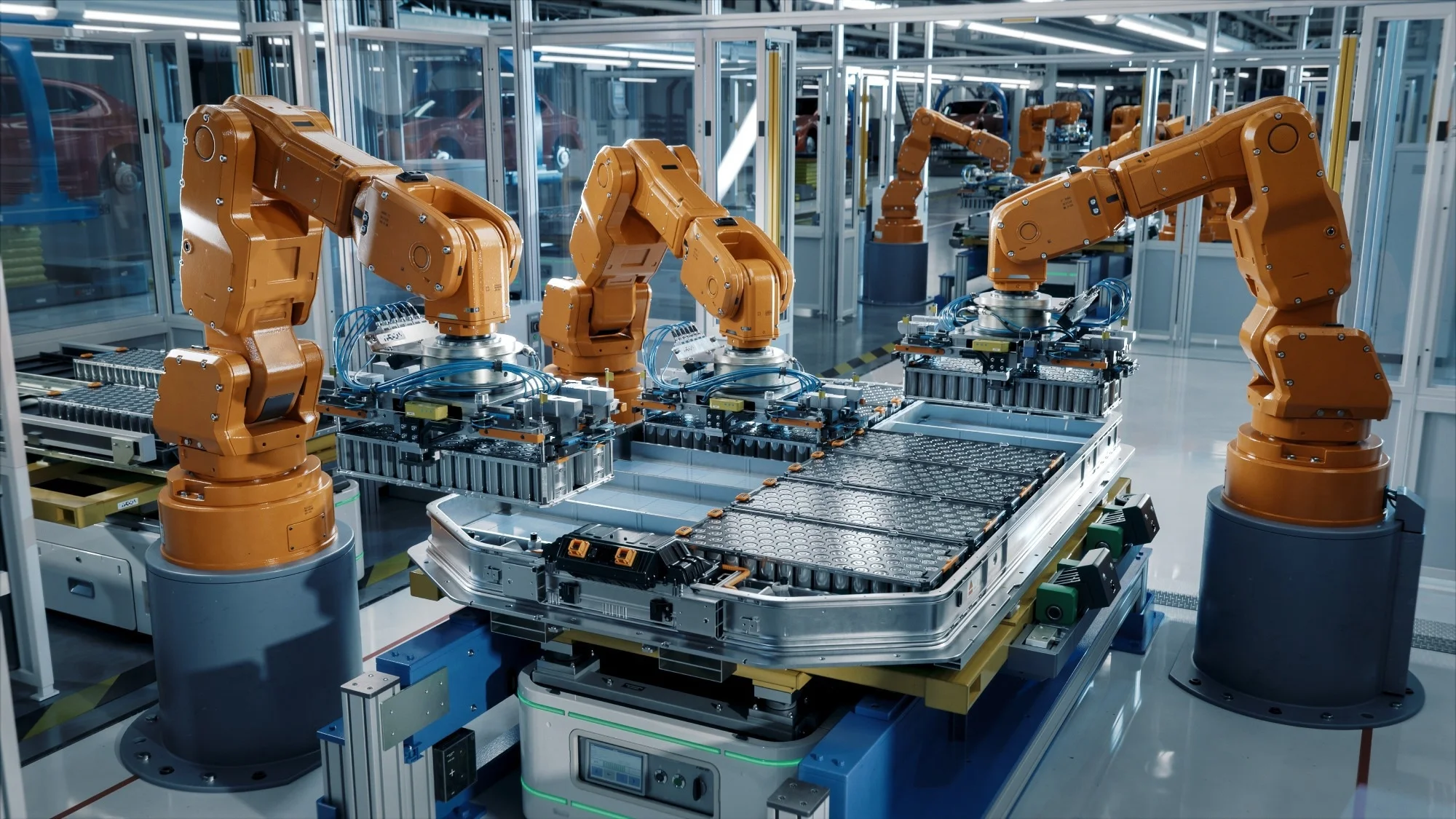
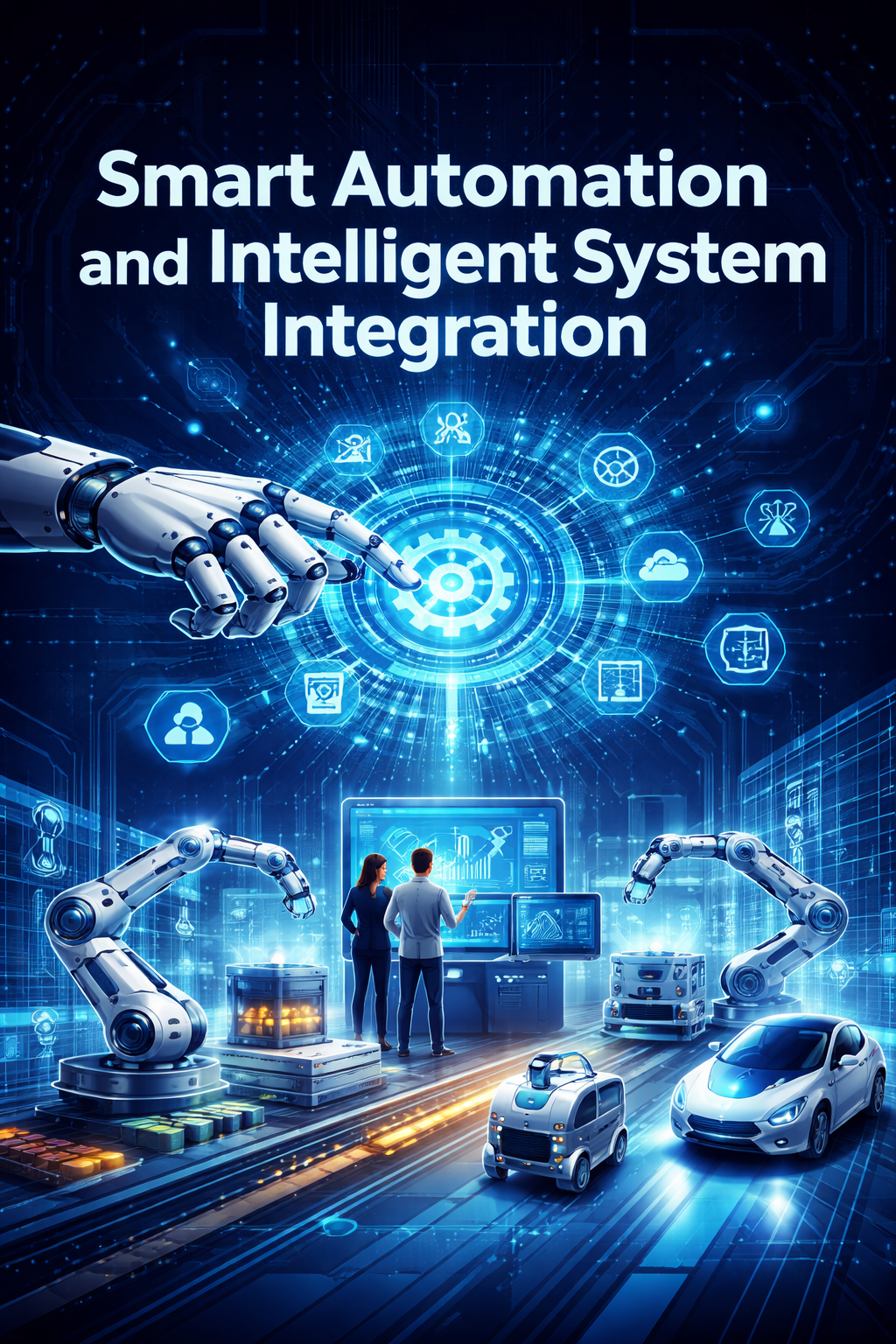
Smart Automation and Intelligent System Integration refer to the deployment of advanced technologies that execute repetitive and complex tasks with minimal human input. Unlike traditional automation, which follows static instructions, smart automation adapts to varying conditions and optimizes processes in real time. For example, manufacturing units implement automated assembly lines that adjust operations based on sensor data, while logistics companies use predictive algorithms to reroute deliveries efficiently. By embracing Smart Automation and Intelligent System Integration, businesses not only save time but also achieve higher precision and scalability.
Benefits Across Industries
The impact of Smart Automation and Intelligent System Integration is evident in diverse sectors. In healthcare, automated patient management systems improve scheduling and resource allocation. Financial institutions employ intelligent systems to detect fraud and manage compliance processes. Retailers integrate automation to manage inventory, optimize supply chains, and personalize customer experiences. Across these applications, the combination of smart automation and system integration reduces operational costs while increasing responsiveness.
Intelligent System Integration
Integration is a key element of smart automation. Smart Automation and Intelligent System Integration ensures that disparate systems—ranging from enterprise resource planning (ERP) to customer relationship management (CRM)—communicate seamlessly. By connecting these platforms, organizations gain a unified view of operations, enabling real-time insights and coordinated actions. This interconnected approach allows data to flow efficiently across departments, enhancing collaboration and supporting strategic decision-making.
Enhancing Workflow Efficiency
A practical application of Smart Automation and Intelligent System Integration is workflow optimization. Automated processes handle routine tasks such as data entry, approvals, and notifications, while intelligent systems prioritize tasks, allocate resources, and flag exceptions. This reduces bottlenecks, minimizes human error, and ensures consistency across operations. Employees can focus on higher-value responsibilities, such as analysis, strategy, and innovation, making the organization more agile and competitive.
The Role of Data and Analytics
Data is the backbone of smart automation. Smart Automation and Intelligent System Integration relies on real-time data collection and analysis to make informed decisions. Predictive analytics identify potential disruptions, optimize production schedules, and forecast customer behavior. Intelligent dashboards provide actionable insights, allowing managers to monitor performance and respond quickly to emerging challenges. By combining automation with integrated data analytics, businesses enhance operational intelligence and strategic foresight.
Supporting Innovation and Growth
Beyond efficiency, Smart Automation and Intelligent System Integration fosters innovation. By reducing manual workloads, organizations free up human resources for creative problem-solving. Product development cycles accelerate, service delivery improves, and customer satisfaction rises. Companies can also experiment with new processes and technologies, knowing that intelligent systems will manage complexity and scale operations effectively.
Security and Risk Management
Implementing Smart Automation and Intelligent System Integration requires careful attention to security. Integrated systems must safeguard sensitive data, prevent unauthorized access, and maintain compliance with regulations. Intelligent monitoring and automated alerts help identify vulnerabilities and mitigate risks proactively. Secure system integration ensures that automation enhances productivity without compromising organizational integrity.
Future Trends and Considerations
As technology evolves, Smart Automation and Intelligent System Integration will become more adaptive, leveraging machine learning, IoT, and cloud-based architectures. Systems will increasingly anticipate needs, self-correct, and optimize performance across multiple channels. Organizations that adopt these innovations early will achieve higher operational efficiency, strategic agility, and long-term competitiveness in a rapidly changing business environment.
Conclusion
The convergence of automation and intelligent integration is transforming how businesses operate, innovate, and compete. Smart Automation and Intelligent System Integration streamline workflows, improve decision-making, and enable scalable, responsive operations. By integrating advanced technologies with strategic processes, organizations can reduce costs, enhance productivity, and foster innovation. Embracing these solutions today positions enterprises to thrive in the increasingly digital and interconnected world of tomorrow.