






Introduction
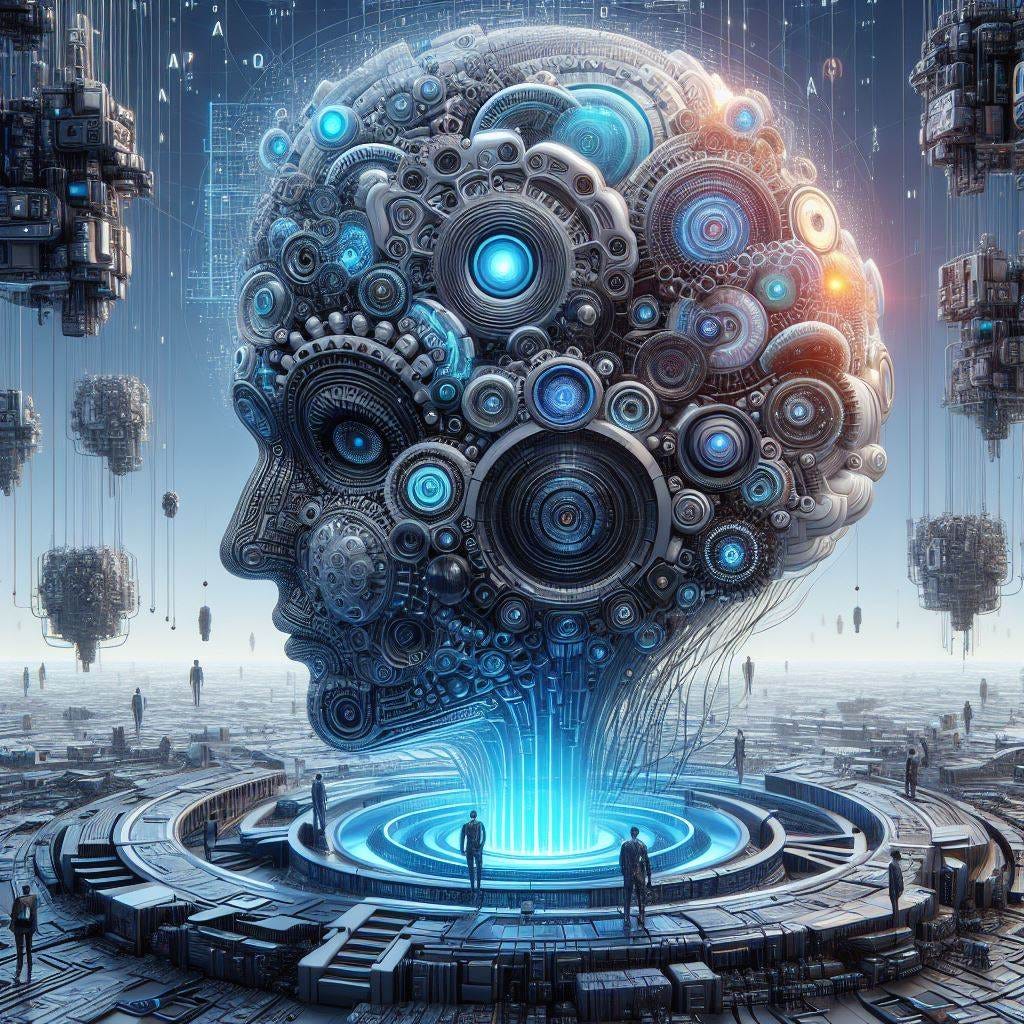
Digital transformation is entering a new phase where systems no longer wait for instructions but actively create, adapt, and execute tasks on their own. At the center of this shift is Generative AI and Autonomous Digital Systems, a powerful combination of creative machine intelligence and self-operating digital infrastructure. These technologies are redefining how businesses innovate, how services are delivered, and how decisions are made. Instead of relying solely on predefined rules, organizations are deploying systems capable of generating content, analyzing patterns, and performing complex operations with minimal supervision.
Understanding the Core Technologies
Generative AI and Autonomous Digital Systems bring together two distinct yet interconnected capabilities. Generative models produce text, images, designs, simulations, and even code based on learned data patterns. Autonomous systems, on the other hand, execute tasks independently, responding dynamically to environmental inputs. When integrated, Generative AI and Autonomous Digital Systems create digital environments that are both intelligent and self-directed. This combination allows platforms to move beyond automation into adaptive and creative problem-solving.
Business Transformation and Operational Efficiency
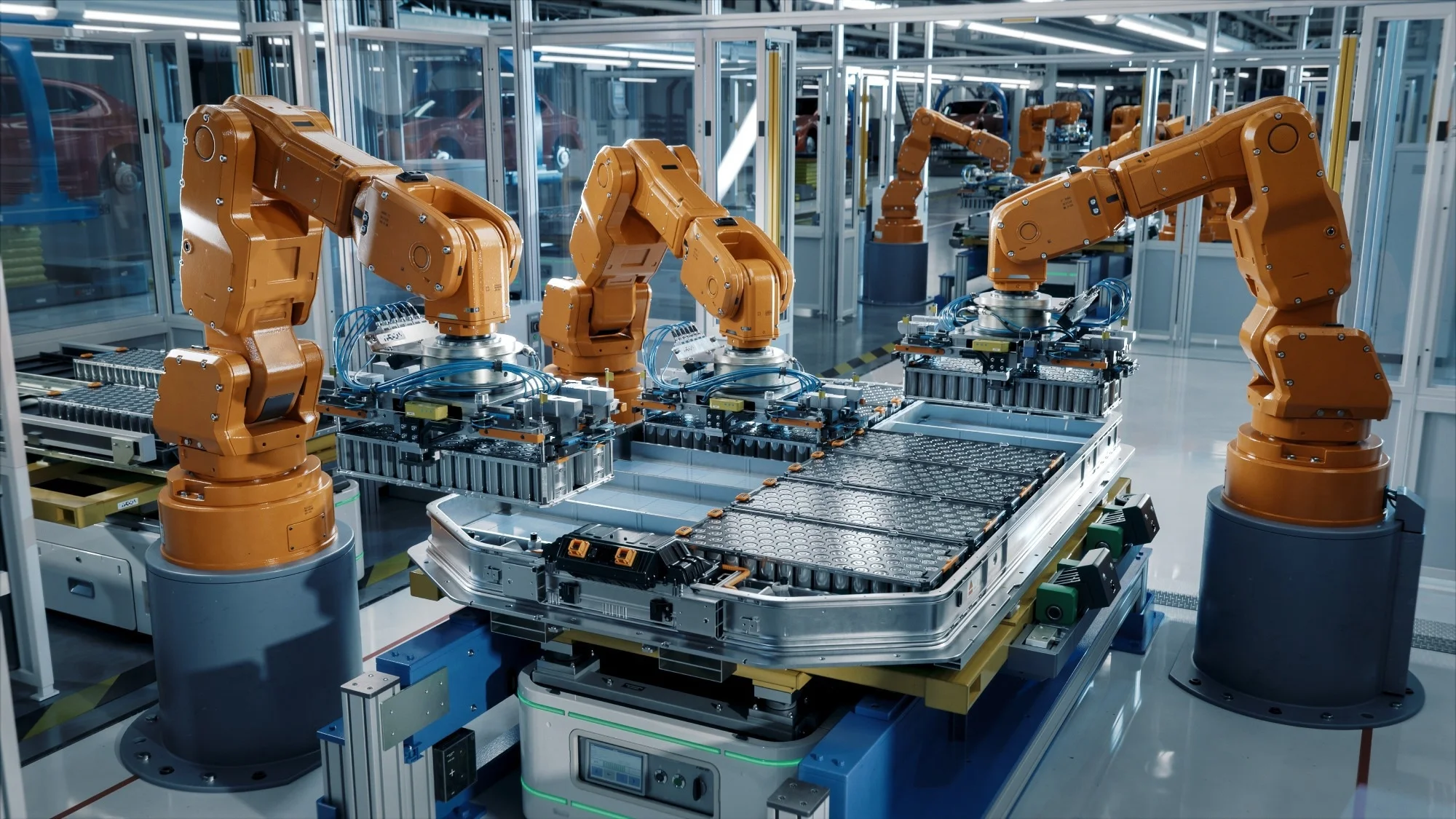
Organizations across industries are integrating Generative AI and Autonomous Digital Systems to improve productivity and strategic agility. In marketing, generative tools develop personalized campaigns in seconds. In finance, autonomous systems monitor transactions and detect anomalies in real time. Manufacturing facilities rely on predictive maintenance powered by self-learning systems. By embedding Generative AI and Autonomous Digital Systems into core processes, companies reduce manual workloads while increasing speed and precision.
Intelligent Workflow Automation
Traditional automation follows fixed scripts, but Generative AI and Autonomous Digital Systems elevate workflows by enabling contextual decision-making. For example, customer service platforms can generate tailored responses while autonomously routing complex queries to appropriate departments. Supply chain systems adjust procurement schedules based on predictive insights rather than static forecasts. This adaptive workflow design ensures resilience in rapidly changing environments.
Creative Innovation at Scale
Creativity is no longer confined to human teams alone. Generative AI and Autonomous Digital Systems support designers, engineers, and content creators by generating prototypes, simulations, and drafts that accelerate development cycles. Architects can explore multiple structural concepts within minutes. Software developers can test new code variations instantly. By collaborating with Generative AI and Autonomous Digital Systems, professionals gain the freedom to refine ideas rather than starting from scratch, resulting in faster innovation without sacrificing quality.
Data Intelligence and Predictive Capabilities
Modern enterprises generate vast amounts of data that often remain underutilized. Generative AI and Autonomous Digital Systems analyze complex datasets, uncover hidden relationships, and produce actionable insights. Autonomous monitoring tools detect operational inefficiencies before they escalate into major disruptions. Predictive algorithms forecast demand shifts, enabling proactive adjustments. Through continuous learning, Generative AI and Autonomous Digital Systems become more accurate over time, strengthening strategic decision-making.
Ethical and Governance Considerations
With increased autonomy comes greater responsibility. Organizations deploying Generative AI and Autonomous Digital Systems must address transparency, accountability, and data privacy. Clear governance frameworks ensure that automated decisions align with ethical standards and regulatory requirements. Regular audits, bias mitigation strategies, and human oversight help maintain trust. Responsible implementation of Generative AI and Autonomous Digital Systems protects both organizations and users from unintended consequences.
Human Collaboration and Skill Evolution
Despite their advanced capabilities, Generative AI and Autonomous Digital Systems are designed to complement human expertise, not replace it. Professionals shift from repetitive tasks to strategic roles that require judgment and creativity. Training programs focused on digital literacy and system management become essential. When humans and intelligent systems collaborate effectively, productivity and innovation expand simultaneously.
Industry-Specific Applications
Healthcare institutions use Generative AI and Autonomous Digital Systems to generate diagnostic insights and manage patient workflows. In logistics, autonomous routing platforms optimize delivery networks in real time. Educational institutions deploy generative tools to create personalized learning materials. Each sector adapts Generative AI and Autonomous Digital Systems according to its operational priorities, demonstrating the flexibility and scalability of these technologies.
The Future Outlook
As computing power increases and algorithms mature, Generative AI and Autonomous Digital Systems will become more integrated into everyday digital infrastructure. Self-optimizing networks, adaptive software ecosystems, and intelligent digital assistants will redefine efficiency standards. Organizations that invest early in Generative AI and Autonomous Digital Systems position themselves for long-term competitiveness in a rapidly evolving landscape.
Conclusion
The convergence of creativity and autonomy marks a defining moment in digital evolution. Generative AI and Autonomous Digital Systems enable organizations to operate with greater intelligence, adaptability, and efficiency. From workflow automation and predictive analytics to creative development and strategic planning, these systems offer transformative potential. By implementing them responsibly and strategically, businesses can unlock sustainable growth while maintaining ethical integrity in an increasingly automated world.