







Introduction
Technology is no longer limited to screens and keyboards. It is becoming spatial, interactive, and deeply engaging. At the center of this transformation is Extended Reality (XR) and Immersive Digital Experiences, a powerful combination of virtual reality, augmented reality, and mixed reality technologies that blend physical and digital environments. Businesses, educators, healthcare providers, and entertainment platforms are rapidly adopting XR to create experiences that feel natural, responsive, and meaningful. This shift represents more than visual enhancement; it signals a structural change in how people connect with digital content.
Understanding the XR Ecosystem
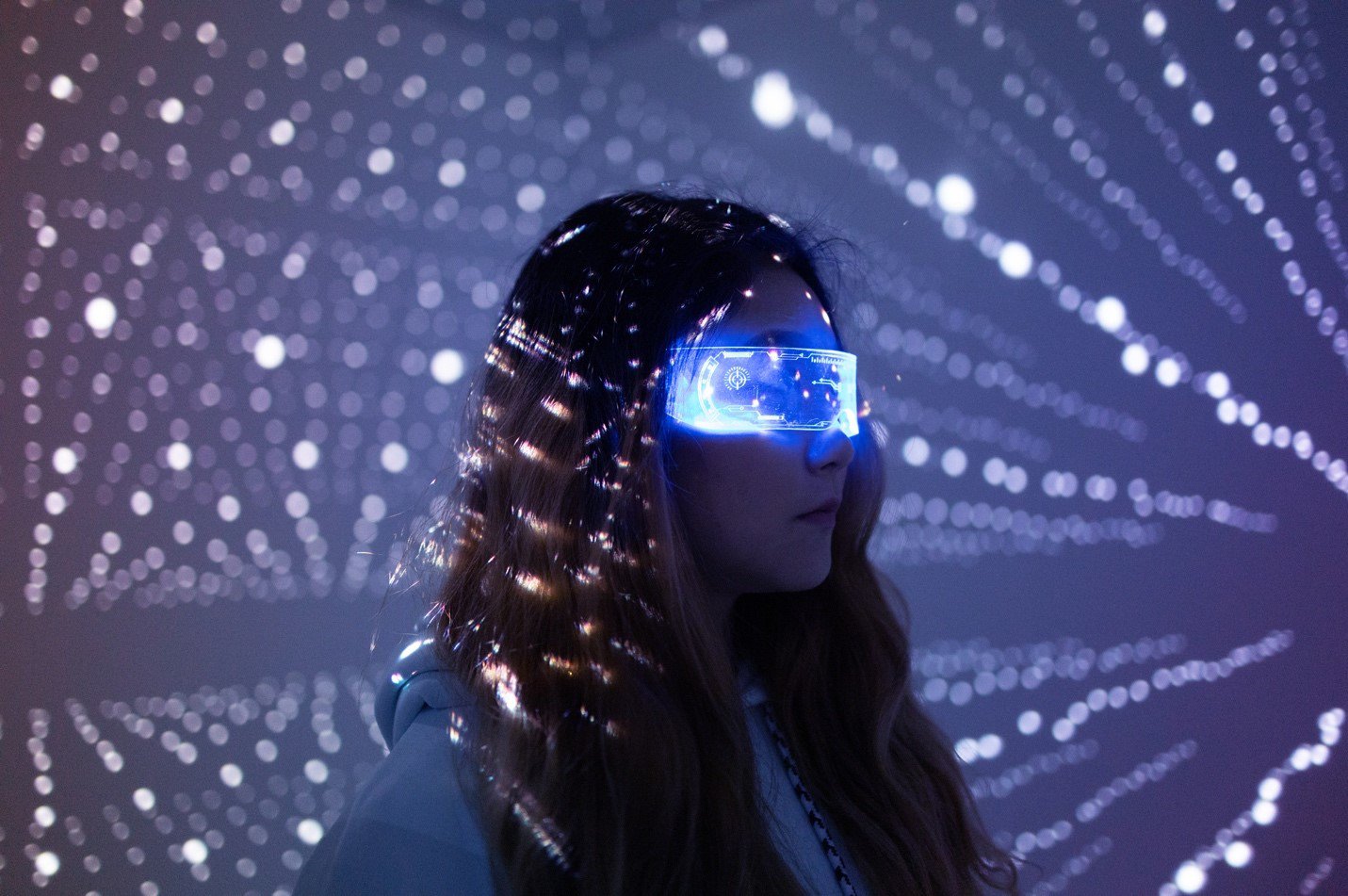
Extended Reality (XR) and Immersive Digital Experiences function as an umbrella concept that integrates multiple immersive technologies. Virtual reality creates fully digital environments. Augmented reality overlays digital elements onto the real world. Mixed reality allows real and digital objects to interact in real time. Together, these technologies form a flexible ecosystem capable of adapting to various industries and user needs. The strength of Extended Reality (XR) and Immersive Digital Experiences lies in their ability to merge imagination with practical application, turning abstract ideas into interactive simulations.
Transforming Business and Industry
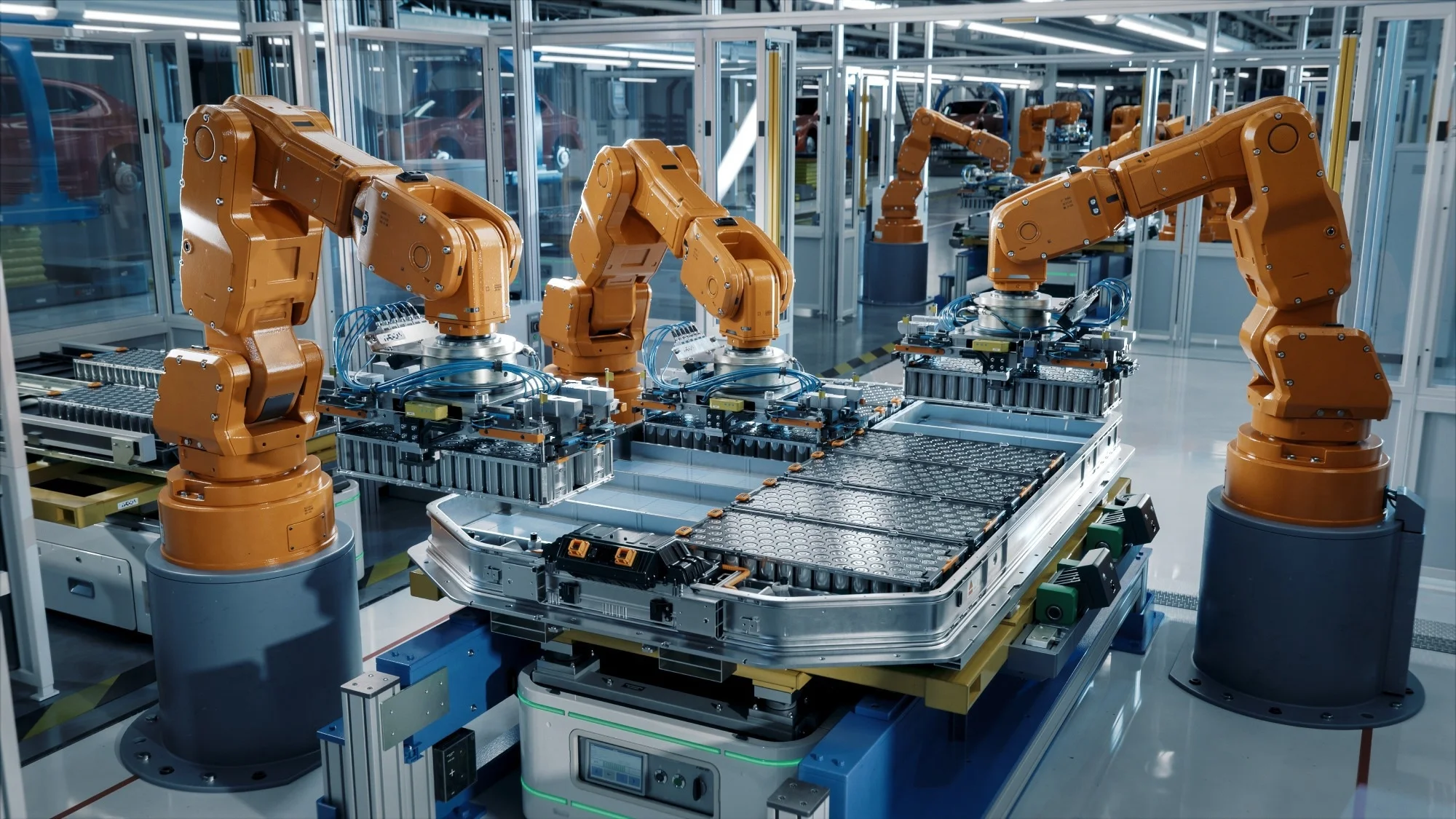
Organizations are increasingly investing in Extended Reality (XR) and Immersive Digital Experiences to improve operations and customer engagement. Retail brands use XR to allow customers to visualize products in their homes before purchase. Real estate companies offer immersive property tours, reducing the need for physical visits. Manufacturing industries employ XR simulations to train employees in complex procedures without risking safety or equipment damage. These implementations demonstrate how Extended Reality (XR) and Immersive Digital Experiences enhance efficiency while delivering measurable business value.
Enhancing Remote Collaboration
Remote work demands better tools for communication and collaboration. Extended Reality (XR) and Immersive Digital Experiences create shared virtual spaces where teams can interact with three-dimensional models, conduct design reviews, and brainstorm in realistic environments. Unlike traditional video calls, XR meetings foster presence and engagement. As remote and hybrid work models expand, the demand for immersive collaboration solutions continues to grow.
Revolutionizing Education and Training
Education systems are evolving beyond textbooks and static presentations. Extended Reality (XR) and Immersive Digital Experiences enable students to explore historical events, scientific concepts, and technical processes in interactive formats. Medical students can practice surgical simulations in controlled virtual settings. Engineering trainees can examine complex machinery in detail without physical limitations. This hands-on approach improves retention and comprehension. By integrating Extended Reality (XR) and Immersive Digital Experiences, institutions create learning environments that are both dynamic and accessible.
Advancing Healthcare Applications
Healthcare is another field benefiting from Extended Reality (XR) and Immersive Digital Experiences. Surgeons use XR overlays during procedures for enhanced precision. Therapists incorporate immersive environments to treat phobias and anxiety disorders. Rehabilitation programs use interactive simulations to motivate patients during recovery. These applications show that Extended Reality (XR) and Immersive Digital Experiences are not limited to entertainment; they directly contribute to improved patient outcomes and operational accuracy.
Elevating Entertainment and Media
The entertainment industry was an early adopter of immersive technologies, but the landscape continues to evolve. Extended Reality (XR) and Immersive Digital Experiences allow audiences to step inside stories rather than simply watch them. Interactive concerts, virtual theme parks, and immersive gaming environments redefine engagement. Media companies leverage Extended Reality (XR) and Immersive Digital Experiences to create personalized and participatory content, strengthening audience loyalty and satisfaction.
The Role of Hardware and Connectivity
For Extended Reality (XR) and Immersive Digital Experiences to function seamlessly, advancements in hardware and connectivity are essential. Lightweight headsets, high-resolution displays, and responsive sensors improve realism and comfort. Meanwhile, faster networks reduce latency, ensuring smooth interactions. As infrastructure improves, Extended Reality (XR) and Immersive Digital Experiences become more accessible and scalable across global markets.
Challenges and Ethical Considerations
Despite its promise, Extended Reality (XR) and Immersive Digital Experiences present challenges. Data privacy, content moderation, and digital well-being require careful attention. Developers must design inclusive systems that consider accessibility and minimize physical discomfort. Responsible innovation ensures that Extended Reality (XR) and Immersive Digital Experiences contribute positively to society rather than creating new risks.
Conclusion
The digital world is shifting from flat interfaces to immersive environments that respond to human movement and interaction. Extended Reality (XR) and Immersive Digital Experiences represent a strategic advancement that bridges imagination with practical utility. From business transformation and education to healthcare and entertainment, XR technologies are redefining engagement and efficiency. As hardware improves and adoption expands, Extended Reality (XR) and Immersive Digital Experiences will continue shaping how people experience, understand, and interact with digital environments.