




Introduction
What Is Edge Computing is a question that has become increasingly important as digital systems demand faster responses and smarter data handling. Traditional computing models rely heavily on centralized cloud servers, which can introduce delays when data has to travel long distances. Edge computing offers a modern solution by processing data closer to where it is generated, making systems faster, more reliable, and more efficient.
Understanding What Is Edge Computing
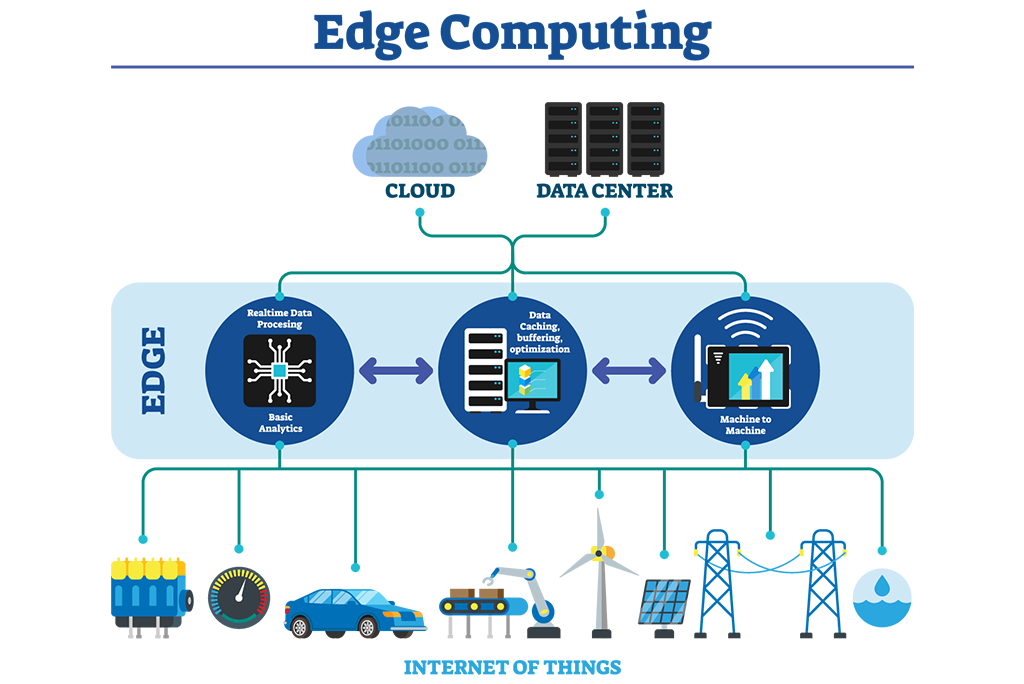
To understand What Is Edge Computing, it helps to think about location. Instead of sending all data to a central cloud, edge computing moves part of the processing to the “edge” of the network. This edge can be a local server, a gateway, or even the device itself. By handling tasks locally, systems can act instantly without waiting for instructions from a distant data center.
Why Edge Computing Is Becoming Essential
The rise of connected devices has changed how data flows across networks. Millions of sensors, cameras, and smart machines generate continuous streams of information. What Is Edge Computing solving here is the problem of overload. Sending everything to the cloud is slow and costly. Edge computing reduces this burden by processing data where it is created, allowing only meaningful information to move forward.
Key Benefits of Edge Computing
Faster Response Times
Speed is one of the strongest advantages of What Is Edge Computing. Applications that require immediate decisions benefit the most. When data is processed locally, latency drops significantly, making real-time actions possible. This is crucial for systems where even a small delay can cause major issues.
Better Reliability
Edge computing improves system stability. If a network connection becomes slow or unavailable, local processing can continue to function. Understanding What Is Edge Computing means recognizing that it reduces dependence on constant cloud access, which is especially valuable in remote or high-risk environments.
Lower Data Transfer Costs
Constantly moving data to centralized servers consumes bandwidth and increases operational costs. What Is Edge Computing offering instead is a smarter data flow. Local processing filters unnecessary data, sending only what truly matters, which saves resources and improves overall efficiency.
How Edge Computing Works in Practice
To fully grasp What Is Edge Computing, consider how data travels. Devices collect information and perform initial processing nearby. This may involve analyzing patterns, detecting anomalies, or triggering instant actions. Afterward, selected data is sent to the cloud for storage or advanced analysis. This shared model combines the speed of edge systems with the power of cloud computing.
Real-World Applications of Edge Computing
Smart Devices and IoT
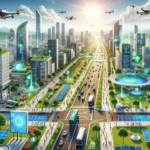
Internet-connected devices rely heavily on edge computing. What Is Edge Computing enabling here is real-time decision-making. Smart homes, wearable health devices, and connected vehicles all use local processing to function smoothly and safely.
Industrial Systems
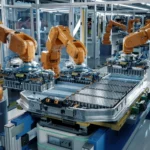
Manufacturing environments generate large volumes of operational data. With edge computing, machines can be monitored continuously. Understanding What Is Edge Computing helps industries reduce downtime, detect faults early, and maintain productivity through instant feedback.
Retail and Customer Interaction
Retailers use edge computing to analyze in-store behavior. Cameras and sensors process data locally to track movement, manage inventory, and personalize experiences. What Is Edge Computing making possible is faster insight without relying on slow remote processing.
Edge Computing Compared to Cloud Computing
A common comparison when discussing What Is Edge Computing is how it differs from cloud computing. Cloud systems focus on centralized storage and large-scale analysis. Edge computing focuses on speed and proximity. Both are not competitors but partners. Edge handles immediate needs, while the cloud supports long-term strategy and data management.
Challenges and Considerations
Despite its advantages, edge computing introduces complexity. Managing many distributed systems requires careful planning. Security must be enforced consistently across devices. Understanding What Is Edge Computing also means being aware of these challenges and designing systems that can scale safely and efficiently.
The Future of Edge Computing
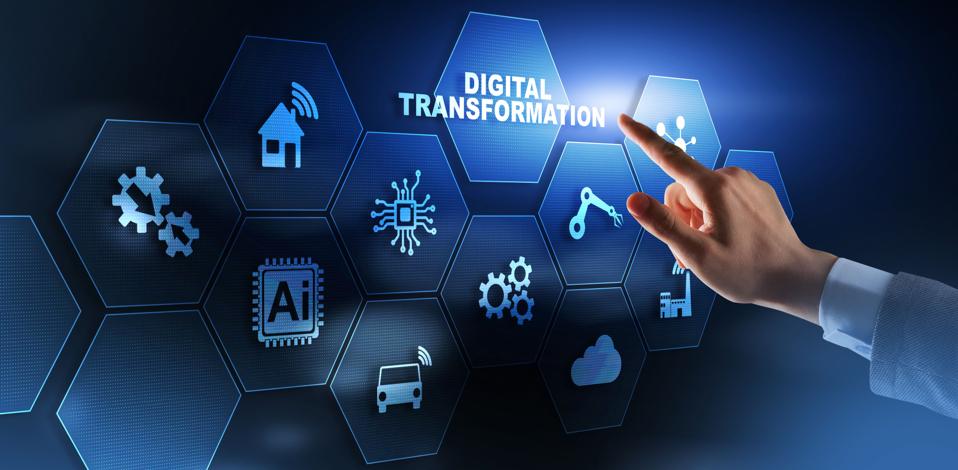
As digital transformation accelerates, edge computing will continue to grow. Emerging technologies like artificial intelligence, automation, and advanced connectivity rely on fast data processing. What Is Edge Computing will remain central to these innovations, shaping how future systems operate and interact with the real world.
Conclusion
What Is Edge Computing represents a shift toward faster, smarter, and more efficient data processing. By bringing computation closer to the source, it reduces delays, improves reliability, and supports modern digital demands. As technology evolves, edge computing will play an increasingly important role in building responsive and resilient systems.